HONGKONG E-MARKETING CONSULTANT
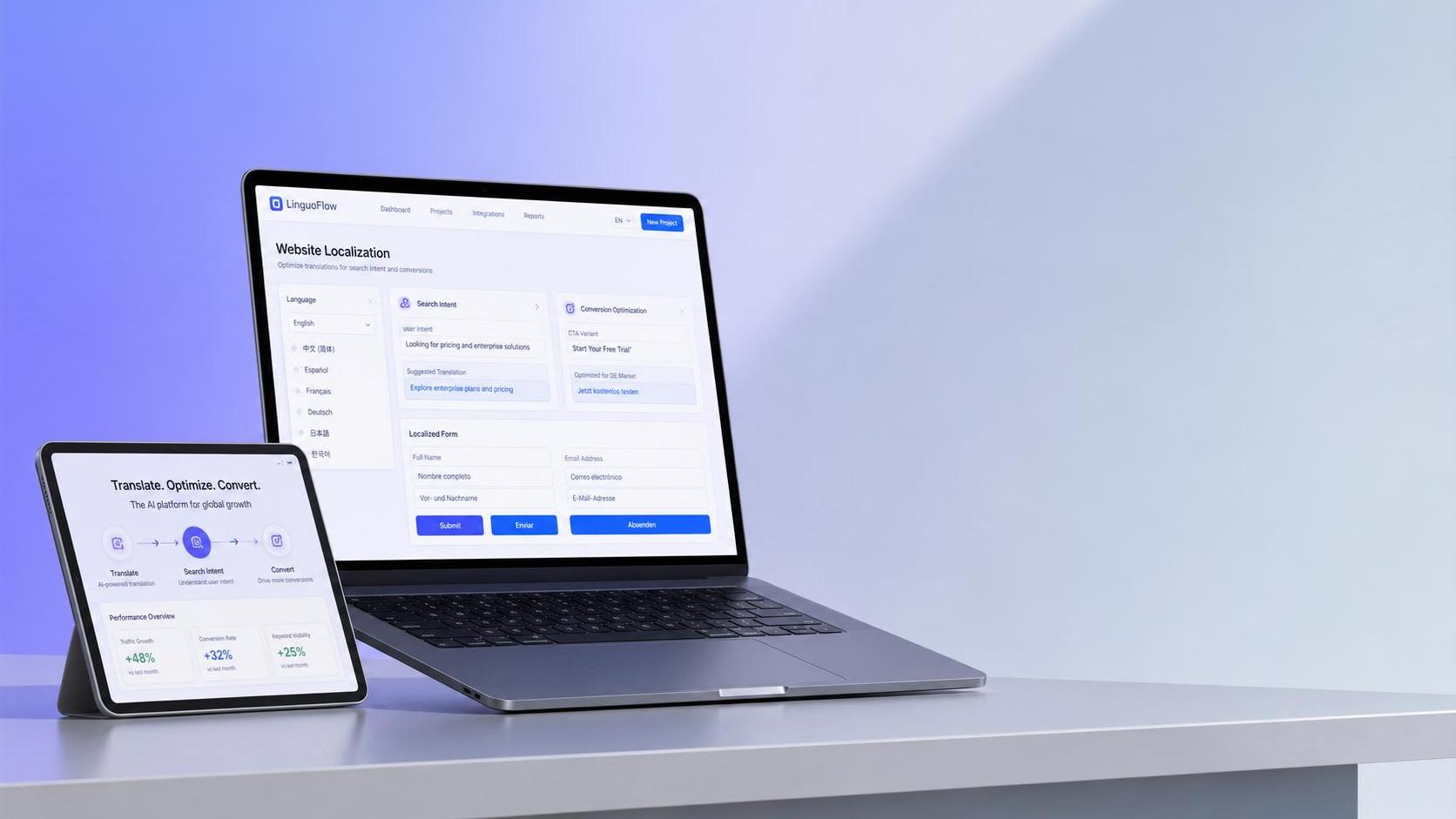
Why Multilingual Website Translation Often Fails
Multilingual website translation can open new markets fast.
Yet many international launches underperform for one simple reason.
The site is translated, but not truly localized.
That gap affects trust, usability, and purchase intent.
Visitors may understand the words, but still hesitate to act.
For teams managing global rollouts, this is a costly mistake.
Small language issues can damage lead quality, demo requests, and checkout completion.
In enterprise SaaS, even one unclear phrase can slow decision-making.
This matters even more when products involve onboarding, pricing, or technical evaluation.
Effective multilingual website translation is not just about language accuracy.
It must support the buyer journey in each market.
That means content, structure, tone, and conversion paths all need local relevance.
The good news is that most conversion-killing mistakes are preventable.
Once you know what to look for, you can fix them early.
Mistake 1: Translating Words Instead of Buyer Intent
Literal translation is one of the most common localization problems.
It preserves meaning at the sentence level, but misses buying context.
A CTA that works in English may feel vague or weak elsewhere.
Product claims may also sound too aggressive or too soft.
This is where multilingual website translation needs commercial judgment.
Each page should match what local users expect to see before taking action.
For example, “Start Free” may work well in one region.
In another market, users may prefer “Request a Demo” or “Talk to Sales.”
The wording changes because trust signals and buying habits differ.
A strong localization process reviews intent, not just vocabulary.
- Map each page to a local conversion goal.
- Rewrite CTAs based on market behavior.
- Validate messaging with native reviewers.
- Test headlines for clarity and trust.
Mistake 2: Ignoring Local Search Behavior
Many teams assume direct keyword translation is enough for SEO.
In reality, search behavior changes by country, industry, and purchase stage.
That is why multilingual website translation must include local keyword research.
Users may search for solutions, outcomes, or pain points differently.
Some markets use formal industry terms.
Others prefer practical phrases tied to operations or ROI.
If your translated page targets the wrong keywords, traffic quality drops.
Even worse, the page may rank for irrelevant intent.
That creates bounce, confusion, and poor lead conversion.
A better approach combines localization with regional SEO planning.
Mistake 3: Keeping the Same Tone Across All Markets
Tone affects credibility more than many teams expect.
A casual, energetic brand voice may work in one region.
The same tone can feel unprofessional in another.
This is especially important for enterprise service SaaS.
Buyers often evaluate risk, reliability, and long-term support.
If the translated copy sounds unnatural, trust drops immediately.
That means multilingual website translation should define tone rules by market.
You do not need a different brand identity everywhere.
You do need flexibility in phrasing, formality, and proof points.
In practical terms, local tone should influence these elements:
- Homepage headlines and subheadings.
- Pricing explanations and contract wording.
- Case study summaries and testimonials.
- Support, onboarding, and trust statements.
Mistake 4: Overlooking Functional Localization
Some localization issues are not editorial at all.
They come from forms, dates, currencies, navigation, and layout.
A translated interface still fails if the user flow feels foreign.
This is where many multilingual website translation projects lose easy wins.
Think about quote forms that require a phone format users do not recognize.
Or checkout pages that show unfamiliar payment options first.
Even small details like decimal separators can create hesitation.
Functional localization should be part of launch QA, not an afterthought.
- Review forms, filters, and buttons in every language version.
- Check date, time, number, and currency formats.
- Adapt payment methods and contact options by region.
- Test mobile layouts after text expansion.
Mistake 5: Using the Same Proof Everywhere
Trust is local, even when your platform is global.
A testimonial from one market may carry little weight in another.
The same applies to certifications, partner mentions, and performance claims.
Strong multilingual website translation should localize proof, not just text.
That may include regional customer stories or familiar technology partnerships.
For a cross-border SaaS provider, this becomes a clear advantage.
A platform like Easimon can support this by combining website systems, data analysis, ad management, and intelligent translation.
That broader capability helps teams align local messaging with performance data.
When regional proof and user behavior connect, conversion decisions become easier.
How to Build a Conversion-Focused Localization Workflow
The most reliable process starts before translation begins.
It connects content, SEO, UX, and market strategy from the start.
This makes multilingual website translation far more effective.
A practical workflow usually includes five steps.
- Prioritize high-conversion pages first.
- Define local keywords and search intent.
- Set market-specific tone and CTA rules.
- Run native review plus functional QA.
- Measure leads, bounce, and form completion by market.
From a management standpoint, this also improves coordination.
Teams can assign clear ownership across content, design, engineering, and paid traffic.
That reduces launch risk and shortens the feedback loop.
It also turns localization from a cost center into a growth lever.
Final Takeaway
Multilingual website translation should do more than make pages readable.
It should help users trust your brand and move forward confidently.
When localization misses buyer intent, SEO behavior, tone, function, or proof, conversion suffers.
When those pieces work together, global growth becomes much more predictable.
If your next launch targets multiple markets, review the full user journey first.
That is often the fastest way to improve multilingual website translation and protect conversion from day one.